

For science students, completing Class 12 is not the end of a journey it is the beginning of a career-defining phase. With rapid advancements in technology and increasing demand for skilled professionals, today’s science students must choose career paths that offer long-term growth, job security, and real-world relevance.
Career-oriented institutions such as Softvision College focus on transforming academic knowledge into practical skills, helping science students build successful futures in technology-driven domains.
Why Career Selection After 12th Science Matters More Than Ever
The modern job market values:
- Practical skills over rote learning
- Adaptability over fixed knowledge
- Technology fluency across industries
Science students already possess analytical thinking, problem-solving abilities, and logical reasoning (core skills highlighted by the World Economic Forum’s Future of Jobs Report).. When these strengths are aligned with industry-relevant courses, students gain a powerful career advantage.
Career-Oriented Paths for Science Students After 12th
1. Computer Applications (BCA)
Bachelor of Computer Applications (BCA) is one of the most preferred choices for science students seeking entry into the IT industry.
What Students Learn:
- Programming fundamentals (C, C++, Java, Python)
- Web development technologies
- Database management systems
- Software development lifecycle
Career Opportunities:
- Software Developer
- Web Developer
- Application Support Engineer
- System Analyst
This course is ideal for students who enjoy coding, logic-building, and working with technology systems.
2. Computer Science Programs
Computer Science programs focus on core computing principles combined with applied learning.
Key Subjects:
- Data Structures & Algorithms
- Operating Systems
- Computer Networks
- Object-Oriented Programming
Career Roles:
- Software Engineer
- Backend Developer
- Technical Consultant
- Systems Engineer
Graduates from computer science backgrounds are highly adaptable and suitable for multiple technology domains.
3. Information Technology (IT)
Information Technology programs emphasize the implementation and management of technology infrastructure.
Skills Covered:
- Networking fundamentals
- Web technologies
- IT systems management
- Basic cybersecurity concepts
Career Opportunities:
- IT Support Engineer
- Network Administrator
- System Engineer
- Technical Support Specialist
These roles are essential across industries, including corporate IT, startups, and service organizations.
4. Artificial Intelligence Careers of the Future
Artificial Intelligence is no longer a futuristic concept it is actively shaping industries like healthcare, finance, education, and automation.
Core Skill Areas:
- Machine learning basics
- Python programming
- Data handling techniques
- AI model fundamentals
Career Options:
- AI Engineer
- Machine Learning Associate
- Automation Analyst
- AI Research Assistant
Students with strong logical and mathematical interest can build rewarding careers in this field.
5. Data Science & Analytics
In today’s digital era, data drives every critical business decision, making careers in data science some of the most in-demand and fastest-growing worldwide..
Learning Focus:
- Data analysis and interpretation
- Statistics and probability
- Python and SQL
- Data visualization tools
Career Roles:
- Data Analyst
- Business Intelligence Analyst
- Analytics Consultant
- Junior Data Scientist
These roles offer excellent salary growth and global employment opportunities.
6. Software Development Careers
Software development remains a stable and scalable career choice for science students.
Essential Skills:
- Programming logic
- Application development
- Database handling
- Version control systems
Career Scope:
- IT companies
- Product-based firms
- Startups
- Freelancing and remote work
Strong software skills ensure long-term employability across industries.
Modern employers expect graduates to be work-ready from day one. This makes practical training essential.
Effective career-focused programs include:
- Advanced computer laboratories
- Hands-on coding practice
- Real-world projects
- Internship opportunities
Forward-thinking institutions prioritize hands-on laboratory work and well-structured internships, enabling students to gain practical industry experience alongside their academic studies.
Role of Internships in Career Development
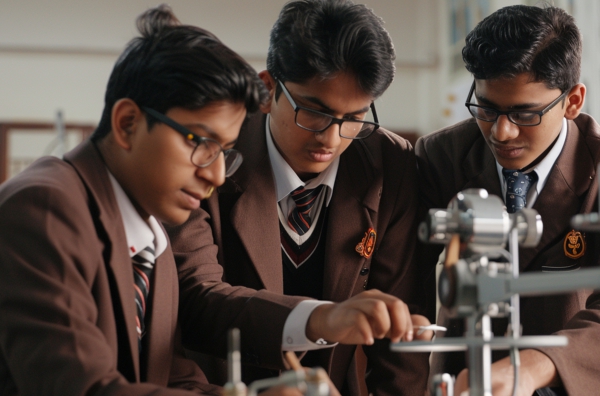
Internships help students:
- Apply theoretical knowledge
- Understand workplace culture
- Build professional confidence
- Strengthen resumes
Students who complete internships during their degree have a significantly higher chance of securing quality placements.
Placement Preparation: Turning Skills into Careers
Placement success depends on more than technical knowledge. Students must develop:
- Resume-building skills
- Interview confidence
- Communication abilities
- Problem-solving approach
Career-oriented programs provide:
- Mock interviews
- Aptitude training
- Technical assessments
- Industry interaction sessions
This holistic preparation bridges the gap between education and employment.
How Science Students Can Choose the Right Career Path
Before selecting a course, students should evaluate:
- Personal interests and strengths
- Comfort with technology and logic
- Long-term career scope
- Availability of practical training
Guided career counseling plays a vital role in avoiding confusion and making informed decisions.
FAQs: Career Options After 12th Science
Q1. Which career option is best after 12th science?
Technology-focused careers such as computer science, IT, AI, and data analytics offer strong growth and stability.
Q2. Can science students enter the IT field without engineering?
Yes. Degree programs like computer applications and computer science provide direct pathways into IT roles.
Q3. Is Artificial Intelligence a good long-term career?
Yes. AI skills are in demand across multiple industries and will continue to grow.
Q4. How important is practical training?
Practical training is essential for developing job-ready skills and improving employability.
Conclusion: Building a Future-Ready Career After 12th Science
Science students today have more opportunities than ever but success depends on choosing the right skills, the right learning approach, and the right guidance. Careers in computer science, IT, AI, data science, and software development offer stability, growth, and global relevance.
By focusing on practical education, internships, and placement readiness, institutions such as Softvision College help students convert academic potential into real-world career success.