
Enquiry Now
Enquiry Now
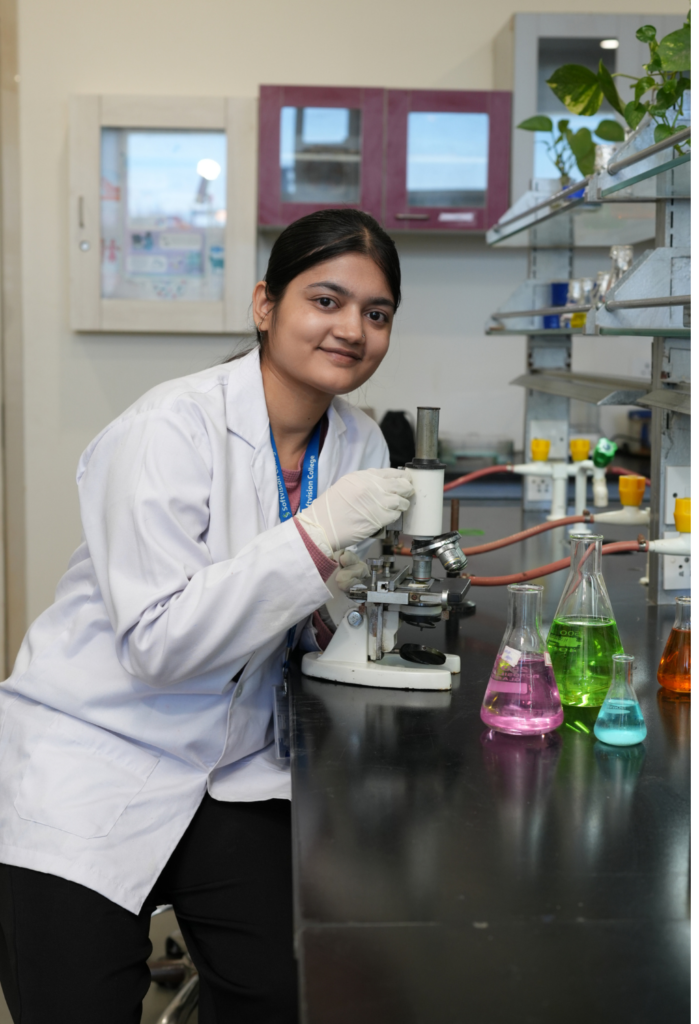
Master of Science (M.Sc.) in Microbiology
The Master of Science (M.Sc.) in Microbiology is a postgraduate program that focuses on the study of microscopic organisms such as bacteria, viruses, fungi, and parasites. These microorganisms play an important role in areas like healthcare, food safety, biotechnology, environmental sustainability, and pharmaceutical development.
The program provides advanced knowledge of microbial biology, laboratory techniques, and research methodologies used to study microorganisms and their applications. Students pursuing an M.Sc. Microbiology in Indore gain a deeper understanding of how microorganisms affect human health, agriculture, and industrial processes.
The M.Sc. Microbiology program combines theoretical learning with practical laboratory training, helping students develop strong analytical and research skills. The course prepares graduates for careers in research laboratories, pharmaceutical companies, biotechnology industries, healthcare institutions, and environmental sectors.
M.Sc. Microbiology Course Overview
Feature | Details |
Course Name | Master of Science (M.Sc.) Microbiology |
Duration | 2 Years |
Eligibility | Bachelor’s degree in Microbiology, Life Sciences, or a related field from a recognized university |
Mode | Full-Time Undergraduate Program |
Focus Areas | Microbial Science, Laboratory Research, Biotechnology |
What You Will Learn in M.Sc. Microbiology
The program focuses on building advanced scientific knowledge and laboratory expertise in areas such as:
- Microbial Genetics and Molecular Biology
- Medical and Environmental Microbiology
- Immunology and Virology
- Industrial and Applied Microbiology
- Laboratory Research Techniques and Microbial Analysis
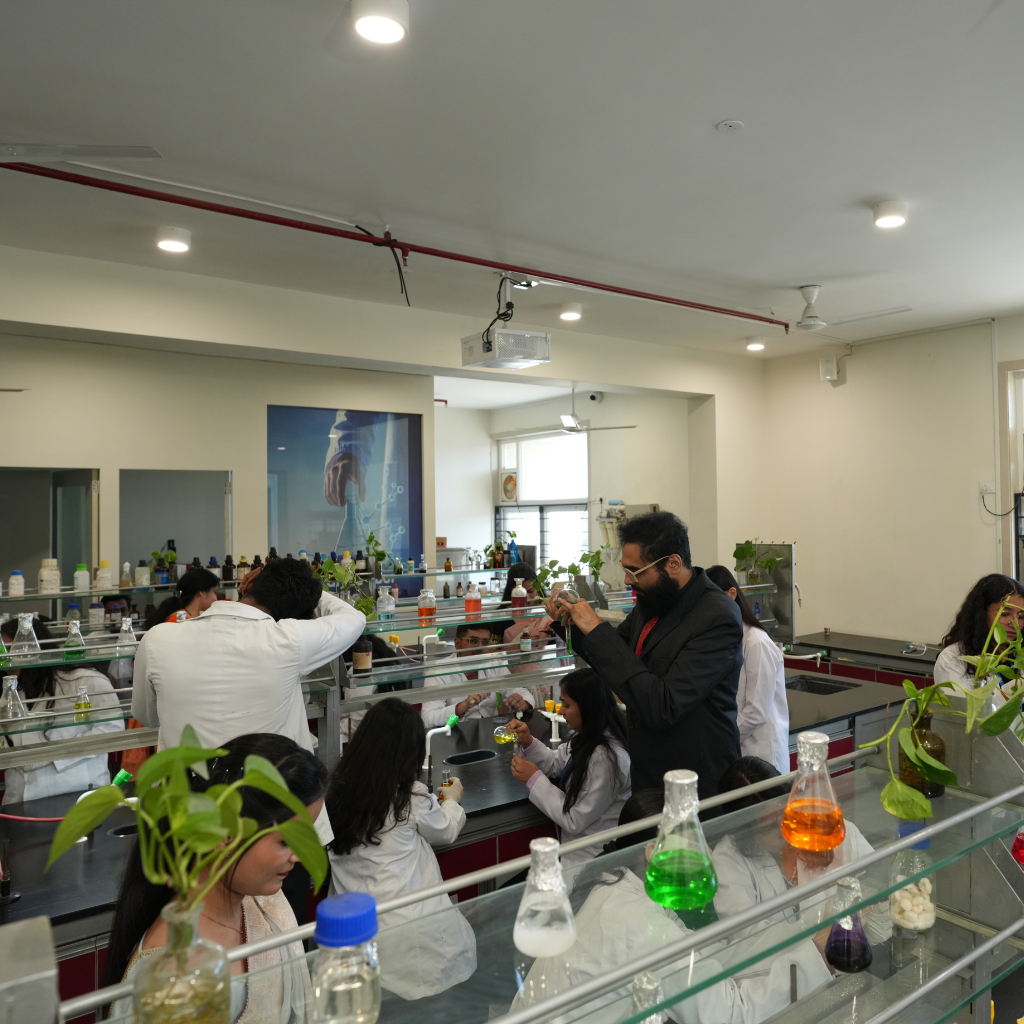
Students gain hands-on experience with modern laboratory tools used in microbiological research and industry.
Career Opportunities After M.Sc. Microbiology
Graduates with an M.Sc. Microbiology degree have career opportunities in research, healthcare, biotechnology, and industrial sectors. Some common career paths include:
- Research Scientist
- Medical Microbiologist
- Environmental Microbiologist
- Food and Beverage Microbiologist
- Pharmaceutical Microbiologist
- Biotechnology Scientist
- Public Health Microbiologist
These roles involve working in research laboratories, pharmaceutical companies, food industries, hospitals, and government organizations.
Industries Where Microbiology Professionals Work
Microbiology graduates are needed across industries where microbial research and safety are essential. Key sectors include:
- Pharmaceutical Industry – Development of medicines, vaccines, and antibiotics
- Biotechnology Companies – Research and innovation using microorganisms
- Healthcare and Medical Laboratories – Disease diagnosis and microbial testing
- Food and Beverage Industry – Ensuring food safety and quality control
- Environmental and Agricultural Sector – Studying microbes in soil, water, and ecosystems
- Research and Academic Institutions – Scientific research and higher education
Why Choose M.Sc. Microbiology?
Microbiology is a dynamic field that plays a crucial role in healthcare, biotechnology, environmental protection, and food safety. Pursuing an M.Sc. Microbiology allows students to:
- Develop strong laboratory and research skills
- Understand the role of microorganisms in health and industry
- Explore career opportunities in research and biotechnology sectors
- Contribute to scientific advancements and public health solutions
Frequently Asked Questions
The program is a 2-year postgraduate course divided into four semesters.
Students must have a bachelor’s degree in microbiology or a related life science field from a recognized university.
Yes, microbiology offers strong career opportunities in pharmaceutical companies, research laboratories, healthcare institutions, and biotechnology industries.
Yes, graduates can continue with Ph.D. programs or research careers in microbiology and life sciences.
Apply for M.Sc. Microbiology Admission
Discover More!

Discover More!

Course Curriculum
| Semester 1 | |
| S.No | Subjects |
| 1 | Bacteriology |
| 2 | Virigology, Mycology and Phycology |
| 3 | Immunology |
| 4 | Microbial Biochemistry |
| Semester 2 | |
| S.No | Subjects |
| 1 | Microbial Genetics |
| 2 | Microbial Physiology |
| 3 | Instrumentation |
| 4 | Bioprocess Technology |
| Semester 3 | |
| S.No | Subjects |
| 1 | Molecular biology & Genetics Engineering |
| 2 | Medical Microbiology |
| 3 | Biostatics and BioInformatics |
| 4 | Applied Microbiology |
| Semester 4 | |
| S.No | |
| 1 | Pharmaceutical Microbiology |
| 2 | Food and Dairy Microbiology |
| 3 | Environmental Microbiology and Phytopathology |
| 4 | Bio Nano technology and Stem cell technology |
| 5 | Project Work |
Our Star Recruiters