
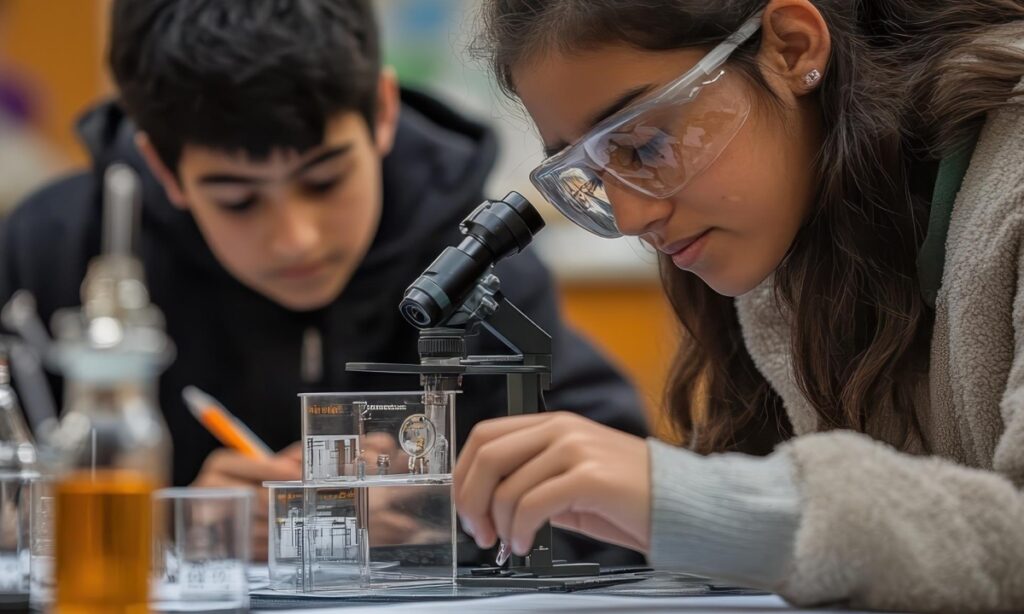
Science is not only about memorizing formulas, reactions, or definitions. Real science begins when curiosity turns into questions and questions turn into discovery. This journey from curiosity to understanding depends on one important thing: research skills.
Many science students believe research is only for professors or PhD scholars. In reality, research skills for science students are useful from the very first year of college. Whether you want to score well, write a project, prepare for higher studies, or build a strong career, learning research skills early gives you a powerful advantage.
This blog will guide you through the best research skills every science student should learn, explained in very easy language, with practical examples and a genuine path you can follow.
Why Research Skills Matter for Science Students

Before learning the skills, it is important to understand why research skills are important.
Science today is changing fast. New discoveries happen every day. Employers, universities, and research institutes do not look only at marks. They look at how well a student can:
- Ask meaningful questions
- Find correct information
- Analyze data
- Think logically
- Explain ideas clearly
These abilities come from strong research skills.
Good research skills help science students:
- Perform better in assignments and projects
- Understand concepts deeply instead of rote learning
- Prepare for competitive exams and higher education
- Build confidence in labs, seminars, and presentations
- Develop problem-solving thinking useful in any career
Skill 1: Asking the Right Questions
Research always begins with a question. Not a random question, but a clear and focused one.
Many students start research by searching the internet immediately. That is a mistake. First, you must decide what exactly you want to know.
How to build this skill:
- Read your topic slowly
- Ask “why,” “how,” and “what if”
- Narrow broad topics into specific questions
Example:
Instead of: “Climate change effects”
Ask: “What impact do rising temperatures and irregular rainfall have on city water systems?”
Strong questions lead to strong research.
Skill 2: Finding Reliable Information
One of the most important research skills for science students is knowing where to search and what to trust.
Not everything on the internet is correct. Blogs, random videos, and social media posts may contain wrong or incomplete information.
Reliable sources science students should use:
- Textbooks and reference books
- Scientific journals
- Government and educational websites
- Research papers and review articles
- Library databases
Tip:
Always check:
- Who wrote the content
- When it was published
- Whether it is supported by data
Learning to choose quality sources saves time and improves accuracy.
Skill 3: Reading with Understanding (Not Just Reading)
Many students read research papers but understand very little. This happens because research reading is different from textbook reading.
How to read research material effectively:
- Start with the abstract or summary
- Identify the problem statement
- Note the method used
- Understand results, not just conclusions
Do not try to understand everything in one reading. Read slowly. Take notes in your own words.
This skill improves with practice and patience.
Skill 4: Note-Taking in Your Own Words
Copy-paste is not research. True research requires understanding and rewriting ideas in your own language.
Good note-taking helps you:
- Remember concepts easily
- Avoid plagiarism
- Write better answers and reports
Simple note-taking method:
- Write key points in bullet form
- Add short explanations
- Highlight important terms
- Use diagrams where possible
This habit builds originality and clarity.
Skill 5: Basic Data Collection and Observation
Science research often involves data. Data can come from experiments, surveys, fieldwork, or existing studies.
Important things science students should learn:
- How to observe carefully
- How to record data correctly
- How to avoid bias
Even small lab experiments teach valuable research discipline when done properly.
Being honest and accurate with data is the foundation of scientific integrity.
Skill 6: Logical Thinking and Analysis
Collecting information is not enough. You must analyze it.
Analysis means:
- Comparing results
- Finding patterns
- Understanding cause and effect
Simple questions to ask during analysis:
- What does this result show?
- Why might this happen?
- Does it match previous studies?
This skill strengthens critical thinking and decision-making.
Skill 7: Writing Clearly and Structurally
Writing is a core research skill for science students. Good research loses value if it is poorly written.
Scientific writing should be:
- Clear
- Simple
- Logical
Basic structure students should follow:
- Introduction
- Objective
- Method
- Results
- Discussion
- Conclusion
Avoid complicated words. Simple language shows strong understanding.
Skill 8: Referencing and Ethical Research Practice
Using others’ ideas without credit is wrong and harmful. Every science student must learn ethical research behavior.
Key ethical practices:
- Always mention sources
- Use proper citation style
- Do not manipulate data
- Respect original work
Ethical research builds trust and professionalism.
Skill 9: Time Management During Research
Many students struggle not because research is hard, but because they manage time poorly.
Simple time management tips:
- Break research into small tasks
- Set daily or weekly goals
- Avoid last-minute work
- Keep deadlines visible
Good planning reduces stress and improves quality.
Skill 10: Curiosity and Consistency
The most underrated research skill is curiosity.
Curiosity keeps you motivated. Consistency keeps you improving.
Even 20 minutes of research reading daily builds strong skills over time.
A Genuine Path for Science Students to Build Research Skills
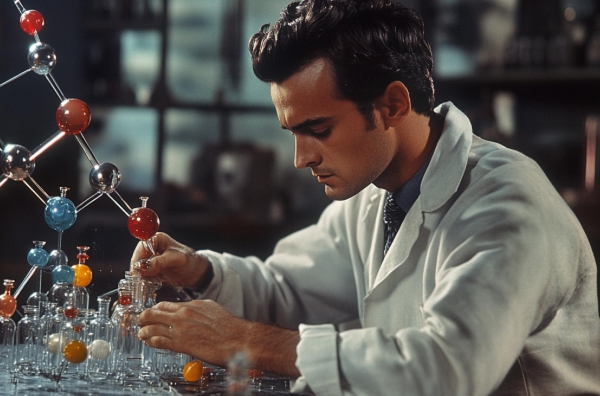
Here is a simple step-by-step path any science student can follow:
- Choose a topic you genuinely like
- Ask one clear question
- Read from reliable sources
- Take notes in your own words
- Analyze what you read
- Write small summaries
- Discuss ideas with teachers or peers
- Practice regularly
You do not need expensive tools or advanced degrees to start.
Frequently Asked Questions (FAQ)
Q1: Why are research skills important for science students?
Research skills help students understand concepts deeply, perform better in projects, prepare for higher studies, and develop critical thinking needed for scientific careers.
Q2: Can undergraduate science students do research?
Yes. Research can start with simple literature reviews, small experiments, or guided projects. Early research experience builds confidence and clarity.
Q3: How can beginners improve research skills?
By reading regularly, asking questions, taking notes in their own words, and practicing small research tasks consistently.
Q4: Are research skills useful outside science careers?
Absolutely. Research skills improve problem-solving, decision-making, communication, and analytical thinking useful in any profession.
Q5: How much time should students spend on research?
Even 20–30 minutes daily is enough to build strong research habits over time.
Final Thoughts
Research is not about being perfect. It is about being curious, honest, and consistent. Every science student has the potential to become a good researcher if they start early and practice regularly.
Learning the best research skills is not an extra burden. It is an investment in your future.
Start small. Stay curious. Keep learning.
That is how real science begins.