

The B.Sc. Computer Science Course in 2026 has become one of the most preferred undergraduate programs for students who want to build a career in technology. With rapid growth in Artificial Intelligence, Data Science, Cybersecurity, and Cloud Computing, companies are actively looking for graduates who understand how modern computer systems work.
Unlike traditional degrees, this course is highly practical and skill-oriented. It prepares students for real-world IT jobs, freelancing opportunities, and even higher studies in advanced computing fields. This guide gives you a clear and simple understanding of everything you need eligibility, duration, subjects, and career scope.
Quick Overview
B.Sc. Computer Science is a 3-year undergraduate program that builds strong foundations in programming, software development, and modern technologies like AI, data science, and cybersecurity. It prepares students for high-demand careers in the IT industry and emerging tech fields. The course blends theory with practical skills through projects, labs, and real-world applications. In 2026, it remains one of the most future-ready degrees for tech-driven careers.
Why B.Sc. Computer Science Still Matters in 2026
The global job market is shifting toward digital-first industries. According to reports from NASSCOM FutureSkills and the World Economic Forum (Future of Jobs Report),, skills in artificial intelligence, data science, and cloud computing are becoming essential across all sectors.
What makes B.Sc. CS Course 2026 important is not just coding it’s problem-solving using technology. Companies today need professionals who understand systems, automation, and data-driven decision-making. Whether it is banking apps, healthcare systems, online education platforms, or e-commerce, everything depends on computer science principles.
This is why the degree is no longer limited to IT companies. Even non-technical industries now hire computer science graduates for digital transformation roles.
What You Actually Learn in This Course
The B.Sc. Computer Science Degree is designed to build both theoretical understanding and practical ability.
Students typically study:
- Programming languages (Python, Java, C++)
- Data structures and algorithms
- Database management systems
- Operating systems and computer networks
- Web development and software engineering
In modern universities, updated syllabi also include:
- Artificial Intelligence & Machine Learning basics
- Cloud computing fundamentals
- Cybersecurity principles
- Data analytics and visualization
- Introduction to DevOps and automation tools
The goal is simple: prepare students not just for exams, but for real industry challenges.
Explore = Best Computer Courses for Coding and Programming Skills in 2026
Skills Companies Expect from B.Sc. CS Students in 2026
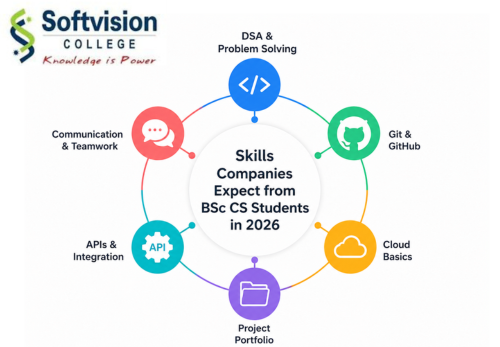
In 2026, companies focus more on skills and practical ability than just degrees. They want students who can think logically, build projects, and adapt to new technologies quickly.
- Strong DSA & problem-solving skills
- Hands-on Git & GitHub experience
- Basic knowledge of APIs & system integration
- Understanding of cloud platforms (AWS/Azure)
- A solid project portfolio (real-world work)
- Good communication & teamwork skills
Students who combine coding skills with real projects and consistency are the ones who stand out in placements and interviews.
Common Mistakes B.Sc. CS Students Make
- Overdependence on Classroom Theory
- Lack of Public Project Portfolio (GitHub)
- Delayed Start in DSA Preparation
- Minimal Real-World Project Exposure
- Weak Technical Communication Skills
- Ignoring Industry Tools and Practices
Skills You Develop During B.Sc. CS
A strong Computer Science Career is built on practical skills rather than memorization. By the end of the course, students typically gain:
- Logical thinking and problem-solving ability
- Coding and debugging skills
- Understanding of system design basics
- Data handling and analysis skills
- Project development experience
- Team collaboration and communication skills
These skills are transferable and can be used in multiple career paths beyond software development.
Career Roadmap After B.Sc. CS
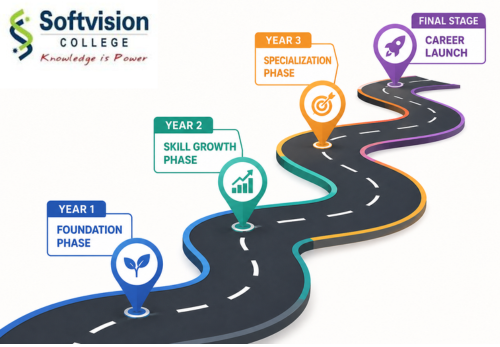
A strong career in Computer Science grows step by step, not suddenly in the final year. Students who follow a clear learning path build better skills, stronger portfolios, and higher career opportunities.
Year 1 – Foundation Phase
Learn programming basics (C/Python), logic building, and create small projects like calculators or simple websites.
Year 2 – Skill Growth Phase
Start DSA, GitHub, internships, and hackathons to build real practical experience and confidence.
Year 3 – Specialization Phase
Focus on AI/ML, Web Development, Cloud, or Cybersecurity. Work on advanced projects and placement preparation.
Final Stage – Career Launch
Move into jobs, freelancing, startups, or higher studies. Your portfolio matters more than your degree here.
Explore = Scope of B.Sc in Computer Science
B.Sc. CS Eligibility Criteria and Course Duration Explained
| Category | Details |
| Course Name | B.Sc. Computer Science (B.Sc. CS) |
| Duration | 3 Years (6 Semesters) |
| Eligibility | 10+2 passed from a recognized board |
| Required Subjects | Mathematics or Computer Science (preferred/mandatory in many universities) |
| Minimum Marks | Usually 45%–60% (varies by college/university) |
| Admission Type | Merit-based or Entrance Exam (depends on institution) |
| Age Limit | No strict age limit in most universities |
| Course Level | Undergraduate Degree (Bachelor’s Program) |
B.Sc. CS Syllabus 2026: Semester-Wise Subjects
The B.Sc. Computer Science syllabus is structured in a progressive way so students move from basic programming concepts to advanced technologies like AI, cloud computing, and cybersecurity. While the exact syllabus may vary slightly across universities, the core structure remains similar.
1st Semester
- Introduction to Programming (C / Python)
- Mathematics for Computing
- Digital Electronics
- Communication Skills
2nd Semester
- Object-Oriented Programming (Java / C++)
- Data Structures
- Discrete Mathematics
- Environmental Studies
3rd Semester
- Database Management Systems (DBMS)
- Operating Systems
- Computer Organization & Architecture
- Software Engineering
4th Semester
- Computer Networks
- Design and Analysis of Algorithms
- Web Technologies
- Elective I (Data Science / Cybersecurity Basics)
5th Semester
- Artificial Intelligence
- Machine Learning Fundamentals
- Cloud Computing
- Elective II (DevOps / Blockchain / UI/UX)
6th Semester
- Cybersecurity & Ethical Hacking
- Major Project Work / Internship
- Advanced Electives (Data Engineering / IoT / Advanced ML)
Note (NEP 2020 Update)
Under NEP 2020, many universities are introducing a 4-year B.Sc. CS Honours program, which includes an additional year focused on research, internships, or advanced specialization in emerging technologies.
Explore = B.Sc. Computer Science Syllabus in India: A Complete Guide
Explore = DAVV B.Sc. Computer Science course Curriculum (PDF)
Frequently Asked Questions (FAQs)
1. Is B.Sc. Computer Science hard?
It depends on your interest. If you enjoy coding and problem-solving, it becomes easier and more interesting over time.
2. Can I do B.Sc. CS without Mathematics?
Most universities require Mathematics or Computer Science in 12th, but some colleges may allow exceptions.
3. What is the salary after B.Sc. CS?
Freshers may start with entry-level IT salaries, but skilled students with projects and internships can earn much higher packages.
4. Is B.Sc. CS better than BCA?
Both are good. B.Sc. CS is more theory + technical depth, while BCA is more application-focused. Choice depends on your career goals.
5. Can I get government jobs after B.Sc. CS?
Yes, you can apply for IT-related government roles and also prepare for exams like SSC, banking IT posts, and PSU jobs.
Conclusion
The B.Sc. Computer Science Course 2026 is one of the most practical and future-oriented degrees for students interested in technology. It offers a strong foundation in programming, software development, and modern technologies like AI, Cloud Computing, and Cybersecurity.
With the right skills, projects, and continuous learning, this course can open doors to high-growth careers in both India and global markets. However, success depends not only on the degree but also on how actively you build real-world experience during your studies.
If you are passionate about technology and want a career that evolves with the future, B.Sc. Computer Science is a smart and stable choice.When choosing a college, look for one that combines strong academics with practical learning and industry exposure. Institutions like Softvision College focus on modern computer science education and hands-on training to help students build job-ready skills.