
Your BSc choice shapes not just your career, but the way you experience learning every day. Some students enjoy reading theories and concepts, while others feel more confident when they are working in labs, doing fieldwork, or handling real-world experiments.
So the big question many students ask is:
Which BSc course has more practical than theory?
The answer is not the same for everyone, because BSc programs vary widely in structure. Some are heavily research and lab-based, while others lean more toward conceptual and theoretical understanding. In this guide, we’ll break it down in a simple, real-world way so you can make a confident decision.
Quick Overview
BSc courses like Nursing, Agriculture, Biotechnology, Computer Science (with labs), and Medical Lab Technology are more focused on practical learning than pure theory subjects like Physics or Chemistry. These programs include labs, fieldwork, internships, and real-world training that build strong hands-on skills. Practical experience helps students connect theory with real situations in a much simpler way. If you want job-ready skills and real experience, a practical-based BSc is a smart choice.
Understanding Practical vs Theory in BSc Courses
Before comparing courses, it is important to understand the difference between practical and theory learning.
It is based on understanding ideas and definitions. It builds strong academic knowledge and understanding of subjects.
Practical learning focuses on real-world application. It includes experiments, lab work, field visits, internships, and skill-based training.
As per UGC guidelines, science programs generally combine both theoretical study and practical training, though the ratio varies by course.
BSc Courses with More Practical Than Theory
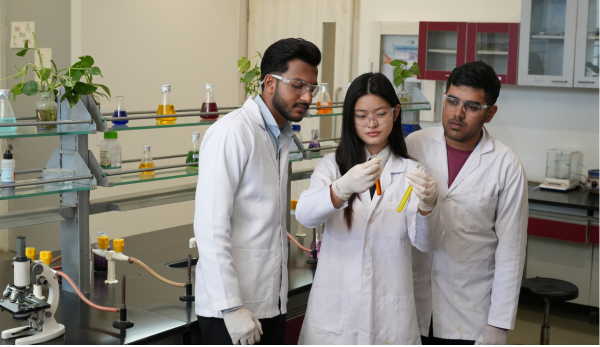
Some BSc courses are designed to provide more hands-on experience than classroom study.
BSc Nursing
BSc Nursing is one of the most practical-based science programs. Students receive training directly in hospitals and healthcare environments.
- Clinical training starts early in the course
- Students work with real patients under supervision
- Regular hospital rotations are part of the curriculum
This program is well-suited for students who want to build a career in healthcare and work closely with patients.
BSc Agriculture
BSc Agriculture focuses heavily on fieldwork and real agricultural practices.
- Soil testing and crop studies
- Farm visits and rural field training
- Exposure to government agriculture programs
Students gain direct experience in farming and agricultural science applications.
BSc Biotechnology
This course combines science knowledge with laboratory-based research work.
- DNA analysis and microbiology experiments
- Genetic engineering practices
- Research-oriented lab assignments
It is suitable for students interested in scientific research and life sciences.
Explore: B.Sc Biotechnology 2026: Course Details, Career Scope & Admission Guide
BSc Computer Science
BSc Computer Science includes both theory and practical programming, but modern colleges focus more on hands-on skills.
- Coding in languages like Python, Java, and C++
- Software development projects
- Internship and industry exposure
Students often gain experience through live projects, workshops, and industry training, which helps build strong technical skills.
BSc Medical Lab Technology (MLT)
This is one of the most job-oriented science courses with strong practical exposure.
- Laboratory diagnostic training
- Blood testing and pathology work
- Hands-on hospital experience
Students regularly work with real medical equipment and samples.
Real Student Insight
Many students who choose practical-based BSc courses say they feel more confident during internships and interviews. For example, Rahul, a BSc Biotechnology student, shared that working in labs during his course helped him understand real processes much better than just reading theory.
Because of this hands-on experience, he found it easier to answer practical questions in interviews. Those who study mostly theory often need a short adjustment period before applying concepts practically.
Comparison Table: Practical vs Theory in BSc Courses
| BSc Course | Practical Exposure | Theory Load | Career Focus |
| BSc Nursing | Very High | Low | Healthcare & Hospitals |
| BSc Agriculture | Very High | Low | Farming & Agriculture |
| BSc Biotechnology | High | Moderate | Research & Pharma |
| BSc Computer Science | High (varies by college) | Moderate | IT Industry |
| BSc Physics | Moderate | High | Research & Academics |
| BSc Chemistry | Moderate | High | Lab Research |
| BSc Mathematics | Low | Very High | Teaching & Research |
Why Some BSc Courses Are More Practical
The level of practical learning in a BSc course mainly depends on its career focus. Courses related to healthcare, agriculture, and applied sciences require hands-on training, which is why they include more practical work such as labs, field activities, and real-world exposure. On the other hand, pure science subjects like Physics or Mathematics focus more on theoretical understanding, formulas, and problem-solving concepts. Because of this, they are generally more academic in nature and involve less practical application compared to skill-based programs.
Career Advantage of Practical BSc Courses
Practical-based BSc courses help you gain real skills while you are still studying. Instead of only learning concepts, you get hands-on experience through labs, internships, and training sessions.
This makes a big difference during job search, as employers prefer candidates who can work from day one. As a result, students from practical courses often find it easier to enter the job market and adapt quickly to real work environments.
Explore: Top B.Sc Courses with Best Placement and High Career Scope
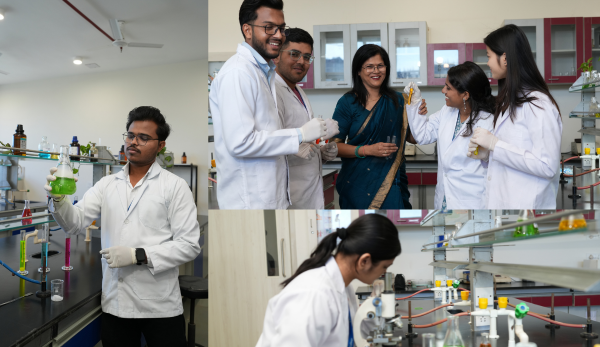
The following images highlight our college laboratories and students participating in practical sessions, workshops, and hands-on training activities.
Why College Choice Matters
The same BSc course can feel very different depending on the college.
For example, a traditional college may focus more on theory in Computer Science. But in an industry-focused institution like Softvision College, students often experience:
- Live coding projects
- Industry workshops
- Internship opportunities
- Practical skill development sessions
This shows that the learning environment plays a major role in how practical your course becomes.
Explore: Which BSc Course is Best for Your Future? Complete Guide (2026)
Who Should Choose a Practical-Based BSc?
A practical-oriented BSc is suitable for students who:
- Prefer learning through real experience
- Want job-ready skills after graduation
- Are interested in healthcare, agriculture, or technology
- Enjoy lab work, fieldwork, or hands-on training
- Want early industry exposure
Those planning to pursue research or teaching roles often find theory-based courses more suitable for their goals.
FAQs
1. Which BSc course has the most practical learning?
BSc Nursing, Agriculture, and Medical Lab Technology are among the most practical-focused courses.
2. Is BSc Computer Science practical or theory-based?
It is a balanced course, but modern colleges emphasize practical coding and projects more.
3. Which BSc course has better job opportunities?
Courses like Nursing, MLT, Agriculture, and Computer Science offer strong career opportunities.
4. Can I get a job after a practical BSc course?
Yes, practical-based courses often lead directly to jobs in hospitals, IT companies, and laboratories.
5. Is practical learning better than theory?
Both are important, but practical learning improves real-world skills and job readiness.
Final Thoughts
Both practical and theoretical learning play an important role in BSc education, but the right balance depends on the course and your personal goals. If you are looking to build hands-on skills and prepare for industry-based careers, courses like Nursing, Agriculture, Biotechnology, and Computer Science can be a better fit. On the other hand, if your interest lies in deeper academic understanding, research work, or teaching, then Physics or Mathematics may suit you more. In the end, your future path depends not only on the subject you choose but also on how well your college supports practical exposure and skill development.