
Enquiry Now
Enquiry Now
Master of Science (M.Sc.) in Biotechnology
The Master of Science (M.Sc.) in Biotechnology is a postgraduate program that focuses on the application of biological sciences and technology to develop innovative solutions in healthcare, agriculture, environmental protection, and industrial processes. The course integrates concepts from biology, chemistry, genetics, microbiology, and molecular science to help students understand and apply modern biotechnological techniques.
Biotechnology is one of the fastest-growing scientific fields, playing a crucial role in developing medicines, improving crop production, and advancing scientific research. Students pursuing an M.Sc. Biotechnology in Indore gain advanced knowledge of laboratory techniques, research methods, and emerging technologies used in biotechnology industries.
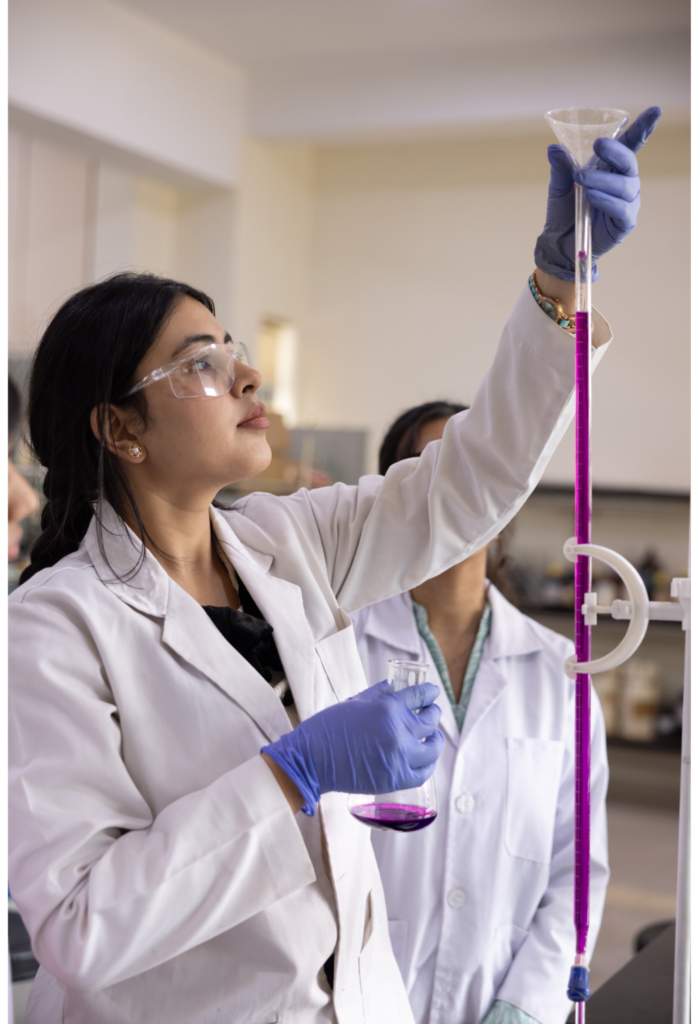
The M.Sc. Biotechnology program emphasizes both theoretical learning and practical laboratory training. The program prepares students for careers in biotechnology companies, pharmaceutical industries, research laboratories, healthcare organizations, and environmental sectors, while also providing a strong foundation for higher research studies.
M.Sc. Biotechnology Course Overview
Feature | Details |
Course Name | Master of Science (M.Sc.) in Biotechnology |
Duration | 2 Years |
Eligibility | Bachelor’s degree in Biotechnology, Life Sciences, or a related field from a recognized university |
Additional Subjects | Chemistry + Computer Science |
Focus Areas | Molecular Biology, Genetics, Microbiology, Biotech Research |
What You Will Learn in M.Sc. Biotechnology
The program helps students develop strong scientific knowledge and practical research skills in areas such as:
- Molecular Biology and Genetic Engineering
- Microbiology and Immunology
- Biochemical and Biotechnological Processes
- Cell Culture and Laboratory Techniques
- Bioinformatics and Biotechnology Applications
Students gain hands-on experience with modern laboratory methods used in biotechnology research and industry.
Career Opportunities After M.Sc. Biotechnology
Biotechnology graduates have opportunities across multiple scientific and industrial sectors. After completing M.Sc. Biotechnology, students can pursue roles such as:
- Biotechnology Researcher
- Microbiologist
- Quality Control Analyst
- Biotech Laboratory Specialist
- Pharmaceutical Research Associate
- Clinical Research Professional
Graduates may also pursue Ph.D. programs or advanced research careers in biotechnology and life sciences.
Industries Where Biotechnology Professionals Work
Biotechnology professionals are in demand across multiple industries where scientific research and innovation play a crucial role. After completing an M.Sc. in Biotechnology, graduates can explore opportunities in sectors such as:
- Pharmaceutical Industry – Drug discovery, vaccine development, and clinical research
- Biotechnology Companies – Research, product development, and biotechnology innovation
- Healthcare and Medical Research – Diagnostic research and therapeutic advancements
- Agriculture and Food Biotechnology – Crop improvement, food safety, and sustainable farming technologies
- Environmental Biotechnology – Waste management, biofuels, and environmental protection solutions
- Academic and Research Institutions – Scientific research and higher education
These industries offer exciting opportunities for biotechnology graduates to contribute to scientific progress and develop solutions that benefit society.
Why Choose M.Sc. Biotechnology?
Biotechnology is an interdisciplinary field that allows students to apply scientific knowledge to solve real-world challenges. Pursuing an M.Sc. Biotechnology course helps students:
- Gain advanced knowledge of modern biological technologies
- Develop research and laboratory skills
- Explore career opportunities in biotechnology and pharmaceutical industries
- Contribute to scientific advancements in healthcare, agriculture, and environmental sustainability
Frequently Asked Questions (FAQs)
The M.Sc. Biotechnology program typically lasts for 2 years and is divided into four semesters, combining theoretical learning with practical laboratory work.
Candidates who have completed a bachelor’s degree in Biotechnology, Life Sciences, or a related field from a recognized university are generally eligible to apply.
Students develop laboratory skills, research abilities, data analysis techniques, and a strong understanding of modern biotechnological tools and methods.
Graduates can work as researchers, microbiologists, quality analysts, clinical research professionals, or in pharmaceutical and biotech companies
Yes, it is a promising field with growing opportunities in healthcare, agriculture, environmental science, and industrial research sectors.
Yes, students can pursue Ph.D. programs, research fellowships, or specialized certifications to advance their careers in biotechnology and life sciences.
Apply for M.Sc. Biotechnology Admission



Discover More!

Discover More!

Course Curriculum
| Semester 1 | |
| S.No. | Subject |
| 1 | Biochemistry |
| 2 | Cell and Development Biology |
| 3 | Microbiology |
| 4 | Biostatistics and Bioinformatics |
| Semester 2 | |
| S.No. | Subject |
| 1 | Molecular Biology |
| 2 | Bacterial Genetics and Genetic Engineering |
| 3 | Immunology |
| 4 | Analytical techniques |
| Semester 3 | |
| S.No. | Subject |
| 1 | Enzyme Technology |
| 2 | Food Biotechnology |
| 3 | Environmental Biotechnology |
| 4 | Plant Biotechnology |
| Semester 4 | |
| S.No. | Subject |
| 1 | Bioprocess Technology |
| 2 | Proteomics Genomics |
| 3 | Animal Biotechnology |
| 4 | Project |
Our Star Recruiters